Biebrza National Park
The Biebrza valley in north-eastern Poland contains the largest continuous peat-bog and marsh complex in Central Europe, covering approximately 59,000 hectares. The national park was established in 1993 and is listed as a Ramsar Convention wetland of international importance.
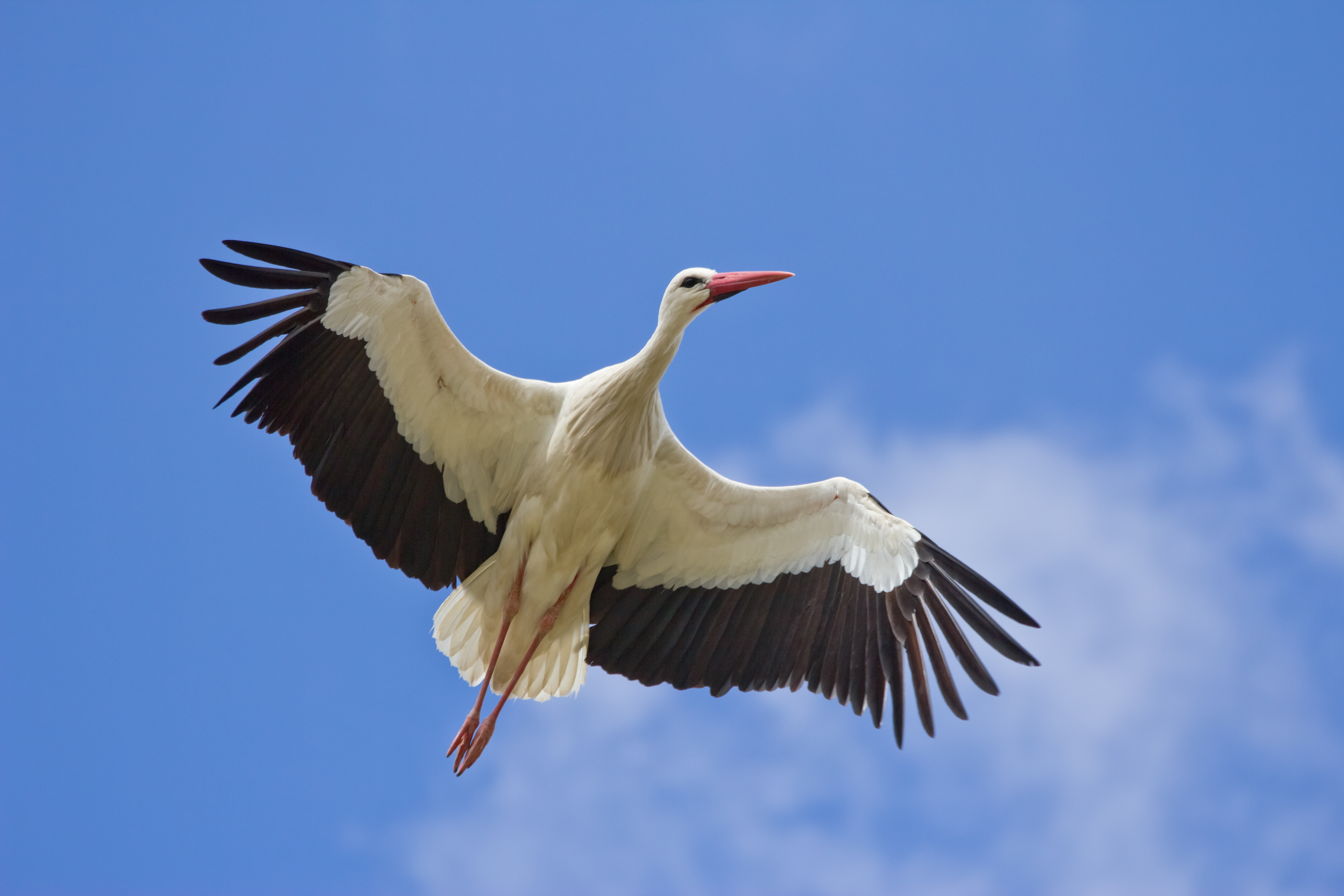
During spring — particularly April and early May — the flooded meadows attract concentrations of aquatic warblers (Acrocephalus paludicola), which breed here in numbers significant on a European scale. White-tailed eagles (Haliaeetus albicilla), great grey shrikes, and black storks also nest within the park boundaries.
Access: The main observation areas are near Czerwone Bagno (Red Bog), accessible from the village of Goniądz. The park authority maintains a network of wooden boardwalks and three observation towers. Vehicle access is restricted from March to May to limit disturbance during the nesting period.
The Biebrza River freezes reliably in most winters, concentrating birds along unfrozen channels. This makes late February and early March — just before ice-out — a productive period for spotting white-tailed eagles hunting from exposed riverbanks.

Narew National Park
The Narew river north of Białystok retains a braided channel structure — a pattern rare in lowland European rivers — which creates a mosaic of slow backwaters, oxbow lakes, and sedge meadows. The national park covers around 7,350 hectares.
The mosaic habitat supports species that require structural diversity within a single territory. Crakes (Crex crex, Porzana porzana) are regularly recorded in the transitional sedge zones. Little bitterns (Ixobrychus minutus) are present from May to August in the denser reed fringe.
Observation of the Narew is most practical from canoe routes, as the river channels are shallow and the banks are largely inaccessible by foot during high water. Several outfitters in Łomża and Wizna offer guided canoe trips during the breeding season.
Milicz Ponds (Stawy Milickie)
Located in Lower Silesia, the Milicz Ponds form one of the largest carp-pond systems in Europe, with a total surface area exceeding 7,000 hectares. The ponds date from medieval fish-farming operations and have been managed continuously for several centuries.
The combination of open water, emergent vegetation, and surrounding wet grasslands produces an unusually varied bird list. Regular breeding species include purple heron (Ardea purpurea), night heron (Nycticorax nycticorax), ferruginous duck (Aythya nyroca), and whiskered tern (Chlidonias hybrida).
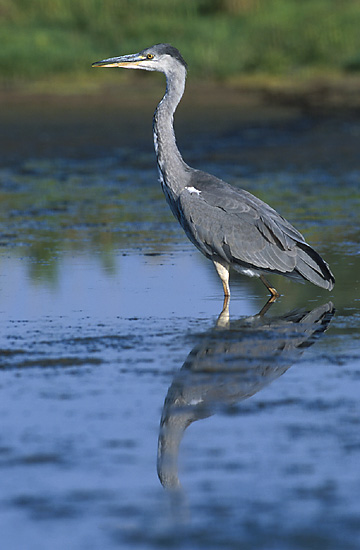
Season note: The ponds are partially drained in autumn for fish harvest. During drawdown — typically October — the exposed mudflats concentrate migrating waders and attract large gatherings of grey herons and great egrets. This period coincides with one of the most productive birdwatching windows of the year at this site.
Słońsk Reserve and the Warta Mouth National Park
The Warta River mouth near Kostrzyn nad Odrą, in western Poland, forms one of the most important staging areas on the Central European flyway. The national park covers approximately 8,000 hectares of floodplain grassland and ox-bows along the lower Warta and Odra rivers.
The area is best known for spectacular concentrations of migrating geese and white-fronted geese (Anser albifrons) in autumn, sometimes exceeding 100,000 individuals at peak passage. Bean geese (Anser fabalis) and lesser white-fronted geese (Anser erythropus — occasional) also use this corridor.
Spring flooding of the meadows in March and April attracts breeding pairs of garganey (Spatula querquedula), corn crake, and spotted crake. The park authority publishes weekly bird reports during the peak migration windows, available through Parki Polskie.
Lesser Poland Fish Ponds and the Vistula Valley
The upper and middle Vistula corridor provides a continuous wetland network through central Poland. Sand and gravel bars on the unregulated middle Vistula support breeding colonies of little terns (Sternula albifrons) and ringed plovers (Charadrius hiaticula) — species dependent on dynamic, unstabilised riverbeds.
The fish ponds around Zator and Spytkowice in the Małopolska region function similarly to the Milicz system, attracting diverse assemblages during both breeding and migration periods. Common cranes (Grus grus) stage in significant numbers at Vistula valley sites during October migration.
Sources: Polish Society for the Protection of Birds (OTOP), General Directorate for Environmental Protection (GDOŚ), IUCN Red List. Last reviewed June 2026.