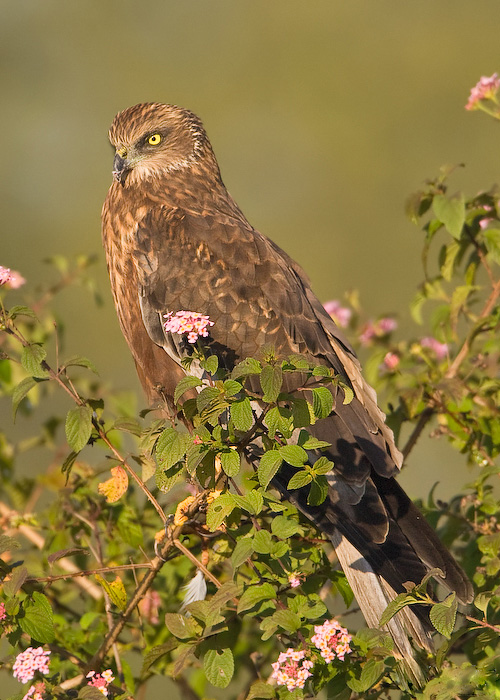
Working Distance in Open Wetlands
Most wetland species maintain a flight distance of 30–80 metres when approached on foot. Reed-bed birds — bitterns, crakes, and aquatic warblers — rarely expose themselves for more than a few seconds. Larger waders and waterfowl on open water may allow a closer approach, particularly from a hide or a stationary canoe at the water margin.
This working distance means that focal lengths below 400mm are rarely adequate for frame-filling images of most wetland species. The practical minimum for field use at Biebrza or Milicz is a 500mm equivalent on a full-frame sensor body.
Telephoto Lenses
Prime telephoto lenses in the 500mm–600mm range provide maximum optical quality for stationary subjects at distance. The trade-off is weight: a 600mm f/4 lens typically exceeds 3 kg, which becomes significant when carrying equipment across soft peat bogs or along boardwalks over flooded meadows.
Lighter alternatives — 100-500mm zoom lenses and 150-600mm consumer-grade zooms — are widely used by field ornithologists at Polish reserves. These offer flexibility for situations where subjects move between reed bed and open water, requiring rapid focal length adjustment.
Extender considerations: A 1.4× teleconverter added to a 500mm f/5.6 prime yields 700mm at f/8. Most modern mirrorless autofocus systems maintain subject tracking at f/8, but AF speed reduction becomes noticeable in low-contrast conditions — common in overcast wetland light during spring mornings.

Camera Bodies
For wetland wildlife photography, the autofocus system and weather sealing of the camera body are the two most practically relevant specifications. Bird-tracking autofocus — available on current mirrorless bodies from several manufacturers — significantly increases the proportion of usable frames when photographing birds in flight or birds moving through reed stems.
Weather sealing is relevant because conditions at Polish wetlands frequently include rain, morning mist, and dew condensation on cold metal surfaces. Fully sealed professional bodies tolerate sustained exposure to light rain; mid-range bodies with partial sealing are generally adequate if a lens hood and cover cloth are used during heavy precipitation.
Sensor Size
Full-frame sensors provide better high-ISO performance, which is relevant for shooting at dawn or dusk — the most productive periods at most sites. APS-C sensors provide an effective focal length multiplier of approximately 1.5×, which extends the reach of a given telephoto lens. Both approaches are used by working wildlife photographers at Polish reserves; the choice depends on the balance between high-ISO tolerance and effective focal length required.
Support Equipment
A tripod or monopod is practically necessary for telephoto lenses above 400mm during sustained observation sessions. Gimbal heads allow smooth tracking of moving subjects while supporting heavy lenses. At Biebrza and Narew, the terrain is frequently uneven or soft, which means a tripod with wide rubber feet or mud-spike adaptors performs more stably than a standard spiked tripod.
Bean bags are widely used from vehicles along the dyke roads at sites such as the Warta Mouth National Park, where photographing from car windows is both permitted and effective. Bean bags conform to the window frame and absorb vibration from the vehicle body more effectively than a tripod.
Portable Hides
Portable pop-up hides — lightweight fabric shelters staked to the ground — allow extended observation at specific locations such as scrapes, nest sites viewed from permitted distances, and feeding areas along reed bed margins. Most Polish national parks permit the use of hides at designated access points; some reserves issue permits for temporary hides positioned near active nest sites, subject to annual application.
Floating hides — buoyant platforms covered with vegetation — are used on open water at ponds and flooded meadows where approach on foot is impossible. These require prior coordination with the land manager or reserve authority.
Wetland-Specific Considerations
Light over open water is reflected and frequently overexposes backgrounds when photographing birds at the water surface. Exposure compensation of −0.7 to −1.3 stops from metered exposure is commonly needed to retain detail in bright water surface conditions. Many photographers using mirrorless bodies rely on the histogram and real-time exposure preview to manage this rather than a fixed compensation value.
Dust and mud are a persistent concern at drawdown sites such as Milicz in October. Lens changes are best minimised in the field; carrying a second body with a different focal length avoids exposing the sensor at muddy sites. Microfibre cloths, blower brushes, and sealed dry bags for storage are standard field kit.
Technical specifications referenced reflect publicly documented equipment characteristics. No manufacturer endorsement is implied. Last reviewed June 2026.